
Handcrafted decorative lighting since 1980 · Worldwide project support
Choosing the best Bath Wall Sconces in 2026 is not just a style decision. The right pair can soften a mirror’s hard edges, brighten a face evenly, and make a small bathroom feel considered. Lighting designer Randall Whitehead is often associated with the principle, “Good lighting is layered, not merely bright.” Treat that as practical guidance, rather than a rule for every room.
For grooming, sconces placed on both sides of the mirror often reduce shadows more effectively than a single overhead fixture. Look for a suitable damp-location rating where required, a finish that tolerates bathroom humidity, and light output that complements your ceiling fixture. Warm or neutral color temperatures can feel comfortable, but your mirror, wall color, and daylight all affect the result. Details matter. A beautiful brass finish may still show water spots, and a compact shade can cast more glare than expected.
This guide compares Bath Wall Sconces by placement, design, brightness, materials, and value. It also considers practical questions, such as whether a fixture suits a narrow powder room or a shared vanity. Product specifications can be useful, but they do not tell the whole story. Installation height and mirror width change how light behaves. There is no perfect sconce for every bathroom. A fixture that looks balanced in a catalog may feel too bright at home, so measure carefully and check the light in your actual space.
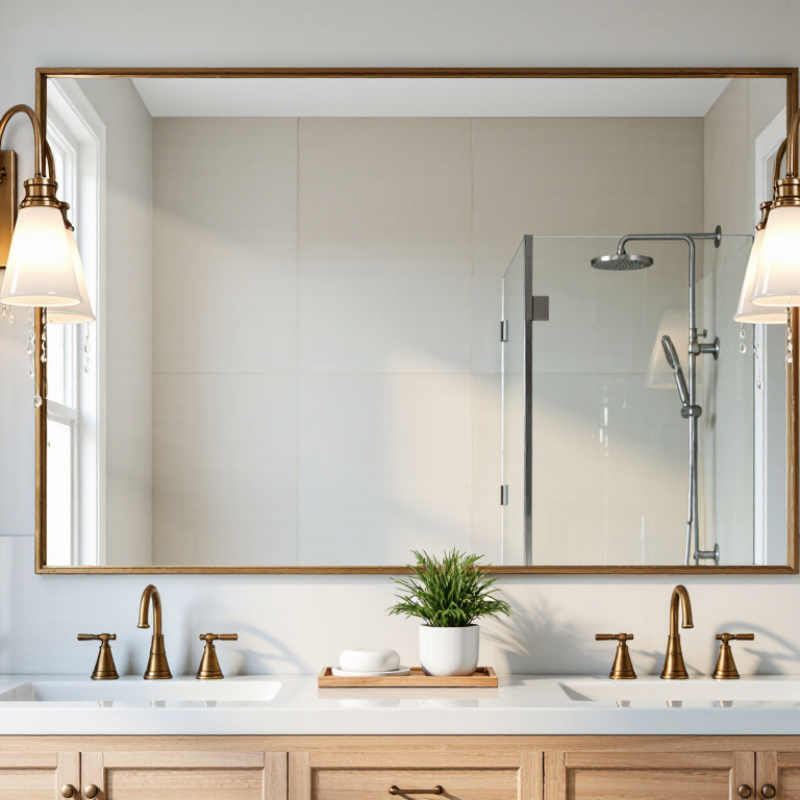
Bath wall sconces are wall-mounted lights that add focused illumination around a mirror, vanity, or bathing area. Unlike a single ceiling fixture, they bring light closer to face level, where it can reduce harsh shadows under the eyes and chin. A pair beside a mirror often gives balanced light for shaving or applying makeup. A single sconce can suit a smaller sink, though its placement matters.
Look for a shade that diffuses light rather than exposing a bare bulb. Frosted glass can soften glare, while an adjustable fixture lets you direct light toward the task. Warm or neutral-white bulbs usually feel comfortable in a bathroom; check the color rendering information if accurate makeup colors matter. Brightness should work with your ceiling light, not compete with it. Layering helps.
Mounting height depends on mirror size, fixture shape, and the people using the room. Follow the fixture instructions and local electrical requirements, especially near water. In a narrow bathroom, matching sconces can feel a little formal; one well-placed light may look more natural. That trade-off is real. A damp-rated fixture is generally appropriate for humid areas, but locations exposed to direct spray may need a different rating. A quick lighting test at night can reveal glare you might miss in daylight.
A bath wall sconce should provide even, comfortable light without casting harsh shadows across the face. Check its damp- or wet-location rating against the fixture’s position and bathroom conditions. Follow local electrical requirements, and ask a qualified electrician to confirm placement near sinks or showers. A beautiful finish cannot compensate for an unsuitable safety rating.
For grooming, choose a color temperature that feels natural to you, often around 2700K to 3000K, and look for a high color rendering index. Skin and makeup can look noticeably different under poor-quality light. Small details matter. A frosted shade can soften glare, while an exposed bulb may create bright spots in a mirror. Measure the sconce’s height and projection; a fixture that sticks out too far can feel awkward in a narrow bathroom. Finish, bulb access, and cleaning needs matter too. A showroom photo may hide glare, so consider how the light will look beside your actual mirror and wall color.
A narrow bathroom with a single vanity usually benefits from one compact sconce beside the mirror, if wall space allows. It can soften shadows without crowding a shallow countertop. For a centered mirror with clear space on both sides, a pair of vertical sconces often gives more even light across the face. Aim for eye-level placement, then adjust to the mirror and the people using it. Small rooms need restraint.
With a double vanity, use a matched pair at the outer edges of each mirror, or place fixtures between mirrors when the wall is wide enough. Check that the shades do not shine directly into your eyes while you stand at the sink. In a powder room, a single decorative sconce can work beside a small mirror, but it may not provide enough light for detailed grooming. Add ceiling lighting if needed.
Large bathrooms can support wider fixtures or several sconces, especially near separate grooming areas. In a low-ceiling room, choose compact shapes that do not feel heavy above the basin. There is no perfect formula; a fixture that looks balanced in a showroom may feel glaring at home. Check its damp-location rating, keep it clear of water exposure, and ask a qualified electrician to confirm safe placement. A little planning matters.
How different sconce placements suit common bathroom layouts
How to read this chart: Ratings are illustrative planning guidance on a 1–5 scale, not measured survey results. Mirror-side sconces can work well in narrow spaces, while paired sconces are often a natural fit for double vanities. Choose fixtures rated for their installation location, and follow local electrical codes, especially near tubs and showers.
Comparing the best bath wall sconces in 2026 means looking beyond a polished finish. A fixture can suit the room and still cast shadows across your face. For mirror lighting, compare brightness, beam spread, and color accuracy. A color rendering index of 90 or higher helps skin tones and makeup appear more natural. Warm light around 2700K feels soft, while 3000K often gives a clearer everyday view. Small details matter.
Check the label. Bathrooms collect moisture, so confirm the fixture’s damp-location rating suits its intended position. Areas exposed to direct spray may require a wet-rated fixture; follow local electrical guidance and the product instructions. Compare dimmer compatibility, too. A sconce that flickers or cannot dim smoothly may feel harsh during an early morning routine. Frosted glass can soften glare, though it may reduce perceived brightness.
Style should work with the room’s scale and upkeep. A narrow shade can feel tidy beside a small mirror, while a wider fixture may balance a broad vanity. Compare finishes against faucets and cabinet hardware, but remember that metal tones can look different under warm bulbs. I’d also check how easily the shade can be cleaned; soap spots show quickly on clear glass. Perfect coordination is tempting, but good light usually matters more.
| Sconce type | Typical width | Light source and output | Color temperature | Style and performance strengths | Best suited for | What to check |
|---|---|---|---|---|---|---|
| Single-light, exposed bulb | About 5–8 in. | Replaceable bulb; output depends on the bulb selected. A common LED bulb provides roughly 450–800 lumens. | Selected by bulb; 2700–3000 K is commonly used for warm bathroom lighting. | Compact profile, easy bulb replacement, and broad choice of bulb shapes and finishes. | Small bathrooms, narrow wall sections, or layered lighting alongside ceiling lights. | Check bulb visibility and glare, socket type, maximum wattage, and the fixture’s location rating. |
| Two-light vanity sconce | About 12–20 in. | Two replaceable bulbs; combined output is determined by the bulbs. Two 450–800-lumen LEDs provide about 900–1600 lumens before fixture losses. | Selected by bulb; matching bulbs help keep the light color consistent. | Provides a wider spread than a single-light fixture and offers straightforward bulb replacement. | Above a vanity mirror when a single fixture is preferred. | Confirm the fixture width fits the mirror and that the combined light level suits the room. |
| Opal-glass shade sconce | About 5–9 in. per shade | Usually uses a replaceable bulb; delivered light depends on the bulb and shade design. | Selected by bulb; 2700–3000 K gives a warm appearance, while 3000–3500 K appears more neutral. | Diffuses the visible light source for a softer appearance and can reduce harsh direct glare. | Mirror-side lighting and bathrooms where comfortable, softened light is a priority. | Opaque or heavily frosted shades may reduce useful light; check bulb access and shade-cleaning needs. |
| Integrated LED sconce | About 18–36 in. | Built-in LED; many vanity-style fixtures are rated around 800–2000 lumens, depending on length and design. | Often specified as 2700–4000 K; some models offer selectable color temperature. | Slim, continuous light and no routine bulb changes; dimming and color options vary by model. | Contemporary vanities, long mirrors, and users who want a streamlined appearance. | Check rated lumens, dimmer compatibility, LED replacement or service options, and warranty terms. |
| Adjustable-arm sconce | About 6–12 in. wide; projects farther from wall | Usually takes a replaceable bulb; output depends on bulb choice and shade direction. | Selected by bulb; consistent color temperature across paired fixtures is recommended. | The arm or shade can direct light, making it useful for task lighting and flexible layouts. | Larger bathrooms, reading areas, or vanities where directional light is useful. | Measure projection and clearance; moving parts and exposed finishes may need more frequent cleaning. |
| Enclosed glass sconce | About 5–9 in. | Typically uses a replaceable bulb inside a glass enclosure; actual output depends on bulb and glass transmission. | Selected by bulb; verify the bulb is suitable for an enclosed fixture when required. | Enclosed construction can protect the bulb from splashes when properly rated and installed. | Bathrooms where a more protected, traditional-style fixture is desired. | Confirm the fixture’s wet- or damp-location rating for its exact installation position; an enclosed shade alone does not establish a rating. |
Figures are typical ranges, not guaranteed specifications. Actual dimensions, lumens, color temperature, dimming performance, and location ratings vary by fixture. Choose a fixture specifically listed for its intended bathroom location, and follow local electrical codes and installation instructions.
Place bath wall sconces on both sides of the mirror, with the light near eye level—often 60 to 66 inches above the floor. This reduces harsh shadows across the face. If the mirror is wide, allow room for the fixture shades and cabinet doors. A single centered sconce can work in a narrow room, but it may cast uneven light. Houzz’s 2024 U.S. Bathroom Trends Study reports that 84% of renovating homeowners upgraded lighting, a reminder that placement deserves attention, not just fixture style.
Check the fixture’s location rating before buying. Near a sink, a damp-location listing may be suitable; inside or directly over a tub or shower, the fixture may need a wet-location listing. Follow the manufacturer’s instructions and local electrical code, since requirements vary by location and installation. IP ratings can offer extra information about water protection, but they do not replace local requirements. One detail I would recheck: a pretty shade can still create glare when you lean toward the mirror.
Tips: Measure from the finished floor, then mark both fixture centers with tape. Stand at the mirror and test the planned light positions with a portable lamp. Have a qualified electrician verify wiring and clearances before installation.
Compare brightness, beam spread, and color accuracy. A color rendering index of 90 or higher can show skin tones more naturally.
Around 2700K feels warm and soft. Around 3000K gives a clearer everyday view. Preferences vary, and I still find this easy to misjudge.
Place one on each side, with the light near eye level. A common range is 60 to 66 inches above the finished floor.
It can work in a tight space, but the light may look uneven across your face. Test the position before installation.
Check the fixture’s location rating. Damp-rated fixtures may suit some sink areas; places exposed to direct spray may require wet-rated fixtures. Follow product instructions and local electrical requirements.
No. IP ratings offer extra information about water protection, but they do not replace local requirements or the fixture’s instructions.
Side lighting near eye level helps reduce facial shadows. Frosted glass softens glare, though it may make the light seem dimmer. Small trade-off.
Check mirror width, shade clearance, and nearby cabinet doors. Mark fixture centers with tape, then test the positions using a portable lamp.
Matching finishes can help the room feel coordinated, but metal tones may look different under warm bulbs. Easy to overlook. Clean the shade, too; soap spots show quickly on clear glass.
Have a qualified electrician verify wiring and clearances. A good-looking fixture still needs a suitable location and careful installation.
Bath Wall Sconces can make a bathroom brighter, more comfortable, and more balanced by adding focused light where overhead fixtures may leave shadows. In 2026, choosing the right sconce means considering brightness, color temperature, energy use, materials, ease of cleaning, and whether the fixture suits the room’s size and style. Options range from compact designs for powder rooms to adjustable or paired fixtures that provide even illumination around a vanity.
To compare sconces, consider both appearance and practical performance, including how well the light supports everyday tasks. Placement matters: fixtures beside a mirror can help reduce facial shadows, while the overall layout should allow for comfortable movement and layered lighting. Before installation, check that the fixture’s safety rating is appropriate for its intended location in the bathroom, especially in areas exposed to moisture.