Strategic Procurement Analysis
The Engineering & Architectural Economics of Convertible Chandeliers
How dual-capability decorative fixtures lower project BOM costs, streamline inventory staging for multi-phase hospitality builds, and resolve spatial ceiling variances dynamically.
In modern architectural lighting specification, commercial buyers, hospitality procurement directors, and lighting designers face a persistent challenge: balancing visual continuity across complex spatial floor plans while respecting rigid structural ceiling height limitations. Traditional decorative lighting programs often forced project specifiers to commission separate ceiling SKUs—ordering full-pendant chandeliers for double-height foyers and completely distinct flush-mount ceiling lights for adjacent corridors, mezzanine lounges, or lower-ceiling guest suites. This bifurcated ordering strategy inherently inflates Bill of Materials (BOM) complexity, creates SKU fragmentation, complicates replacement stock holding, and risks subtle finish mismatches across different production runs.
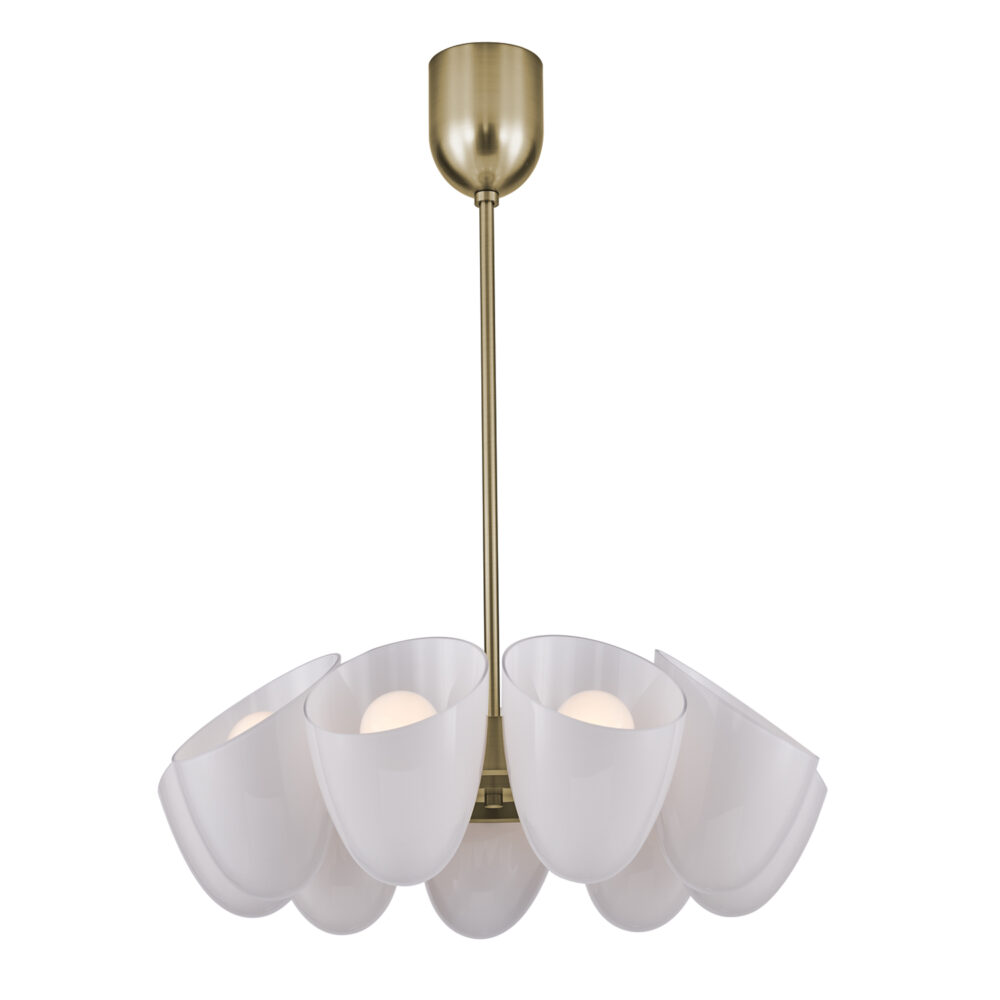
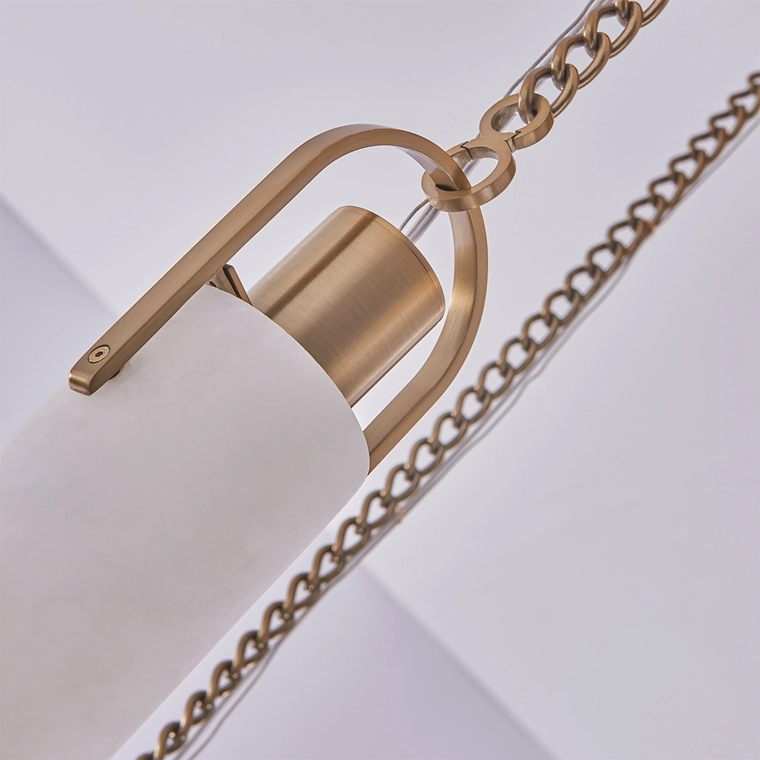
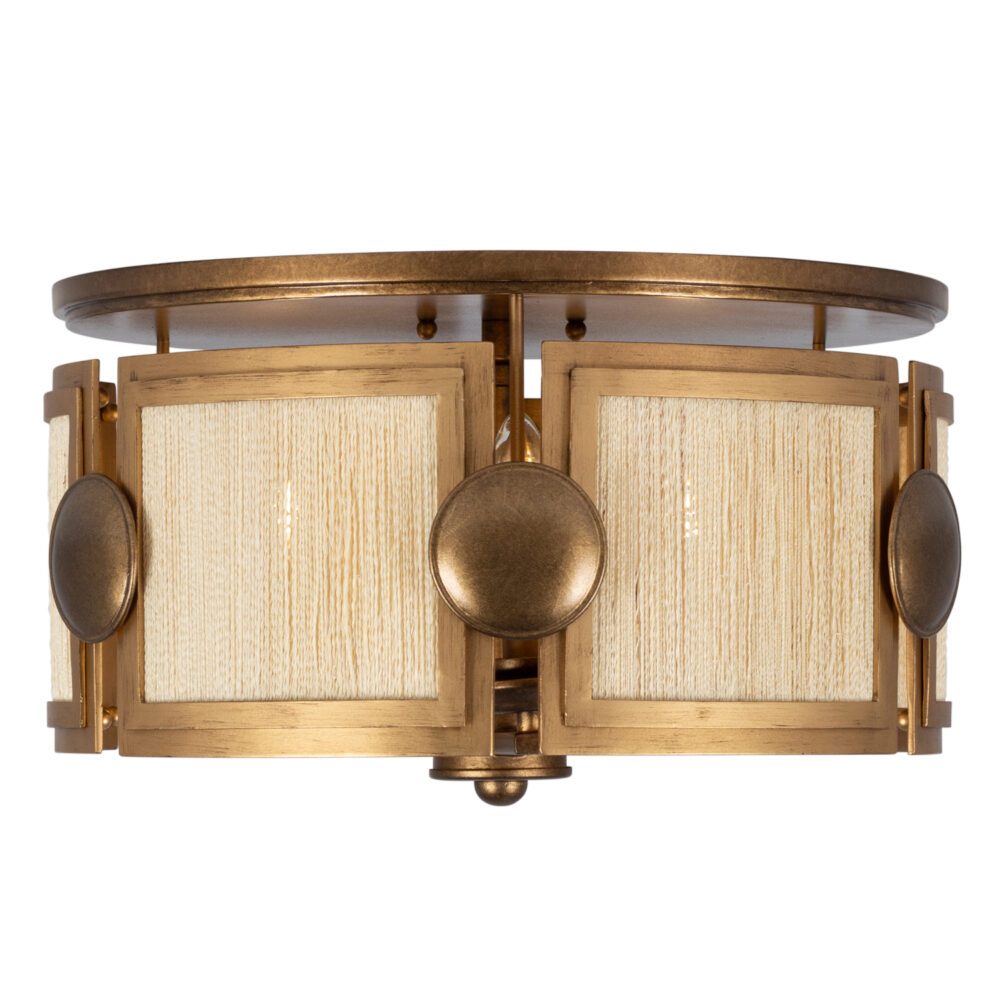
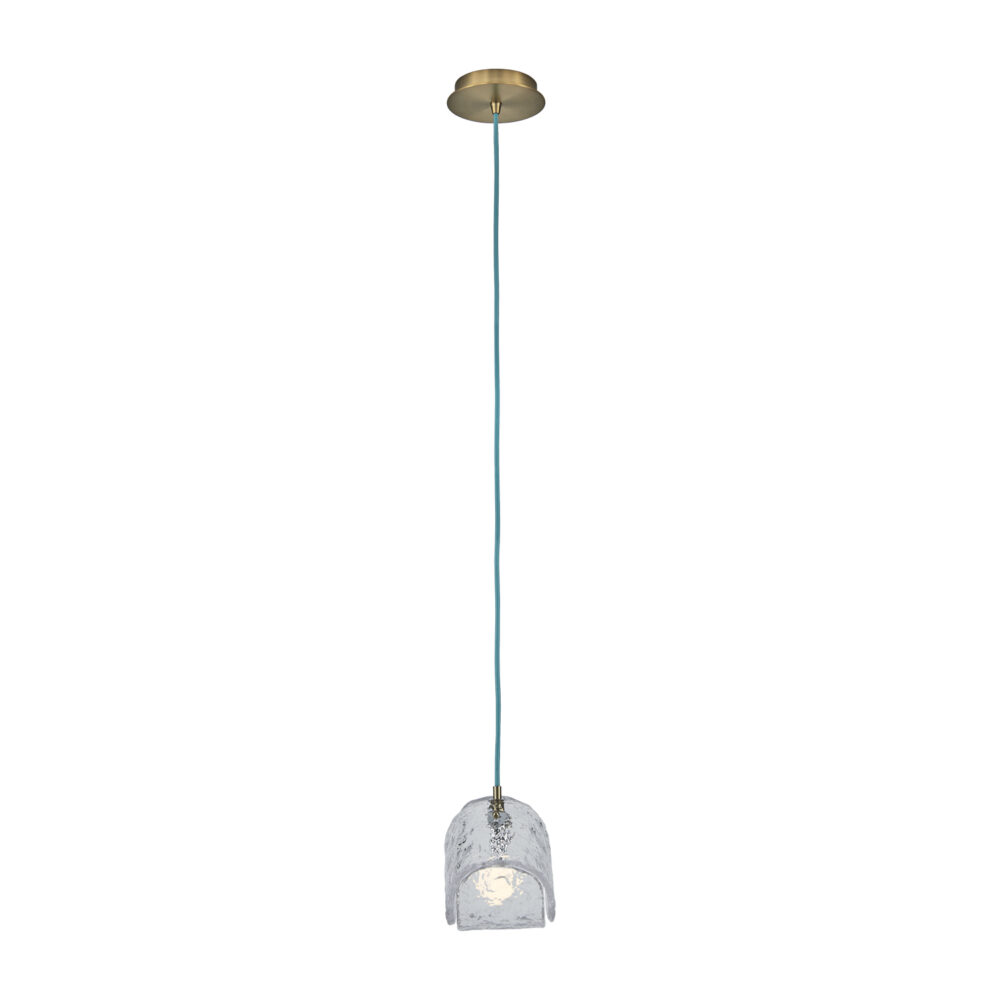
Convertible chandeliers represent an engineered structural solution to this procurement bottleneck. Designed with dual-mounting canopy harnesses, modular stem-and-chain connectors, and field-adjustable internal wiring assemblies, a convertible chandelier allows installation teams to convert a grand suspended chandelier into a low-profile semi-flush ceiling mount on-site without compromising structural integrity, electrical safety compliance, or aesthetic proportions.
From an enterprise procurement perspective, specifying convertible chandeliers provides exceptional Information Gain and operational flexibility across global supply chains. By establishing a unified design language that seamlessly transitions between suspended pendant drops and low-clearance ceiling mounts, commercial buyers can streamline factory minimum order quantities (MOQs), secure tier-one volume pricing, minimize staging warehouse overhead, and eliminate costly project delays caused by on-site ceiling elevation miscalculations.