
Handcrafted decorative lighting since 1980 · Worldwide project support
Choosing Outdoor Chandeliers is not only a style decision. It is a practical investment in comfort, safety, and long-term outdoor living. A well-selected fixture can turn a plain patio into a welcoming dining space, with warm light falling across a wooden table and nearby planting.
The right choice depends on several details. Measure the ceiling height, seating area, and chandelier diameter before shopping. Consider wind exposure, humidity, dust, salt air, and seasonal temperature changes. Look for weather-rated construction, corrosion-resistant finishes, and sealed electrical components. A covered porch may need different protection than an open terrace. Local electrical requirements should guide installation, especially around moisture. A qualified electrician can confirm whether the mounting point and wiring are suitable.
Style still matters. Woven textures can soften a modern patio, while metal frames may suit a structured architectural design. Bulb brightness and color temperature also affect the atmosphere. Warm light usually feels more comfortable for evening meals. Too much brightness can make the space feel harsh.
It is easy to overlook wind.
Real-world experience reveals small problems that product photographs hide. A large chandelier may look elegant but swing noticeably in a breezy courtyard. A dark finish may absorb heat under strong sunlight. These details deserve honest consideration. This guide compares size, materials, ratings, lighting performance, installation needs, and maintenance. Some recommendations will depend on climate and personal taste, so no single fixture suits every space. Careful planning remains the most reliable path to a beautiful, durable result.
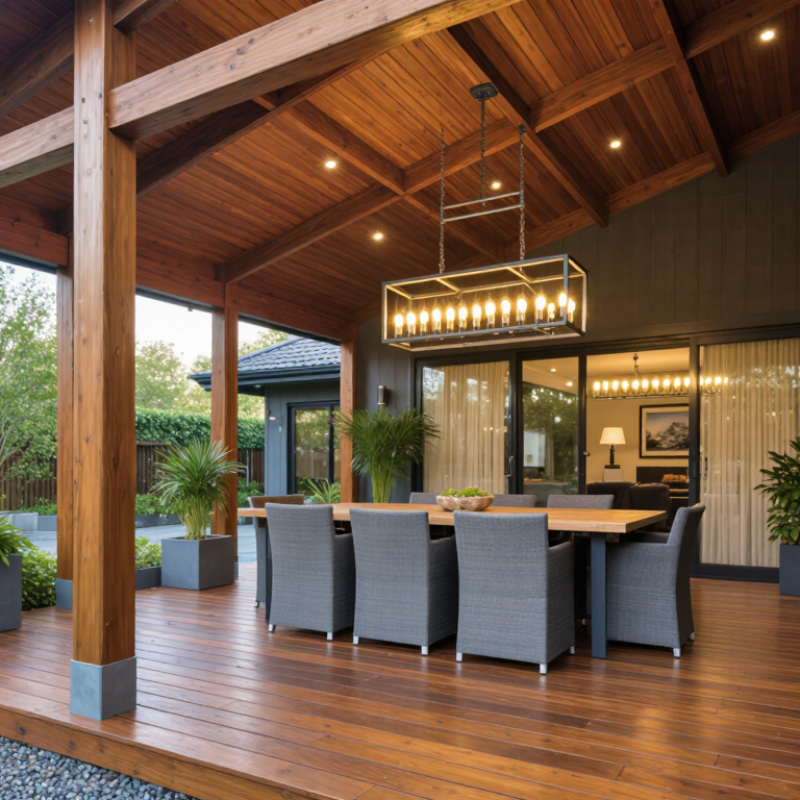
How to Choose Outdoor Chandeliers for Any Space?
Understanding outdoor chandelier types and applications starts with the ceiling and exposure level. Damp-rated chandeliers suit covered porches, screened patios, and ventilated balconies. Wet-rated models handle direct rain and splashing, making them safer for open terraces. A pendant chandelier works above a dining table, while a semi-flush design fits lower ceilings. Large entryways can support multi-tier fixtures, but narrow balconies need compact, lightweight forms.
Scale matters more than decoration. Measure the table width, ceiling height, and walking clearance before choosing. As a practical rule, keep the fixture at least 30 inches above a dining surface. Confirm the product’s IP rating under IEC 60529, especially in coastal or humid locations. Salt air can accelerate corrosion. Powder-coated aluminum and sealed electrical compartments usually offer better protection, though installation quality still decides much.
Efficiency deserves equal attention. The International Energy Agency’s Energy Efficiency 2023 report identifies lighting as roughly 15% of global electricity use. The U.S. Department of Energy reports that LED lighting can use at least 75% less energy and last up to 25 times longer than incandescent lighting. Warm LEDs near 2700–3000K create a comfortable outdoor atmosphere. I would still test the color at night. Product photos often mislead. Use a qualified electrician, verify local requirements, and inspect seals after severe weather.
Choosing an outdoor chandelier starts with the space, not the fixture. Measure the ceiling height, table width, and viewing distance. Leave comfortable headroom above walking areas. For dining spaces, the chandelier should feel substantial without blocking conversation. A useful rule is to keep its diameter near the room’s length plus width, measured in feet and converted to inches. It is only a guide. Proportion still needs judgment.
Weather exposure changes the specification. Covered porches may resist light moisture, while open terraces face wind, rain, dust, and temperature swings. Select a fixture with an appropriate outdoor suitability rating, and check its IP classification under IEC 60529. NOAA reported 28 billion-dollar U.S. weather and climate disasters in 2023, a reminder that “sheltered” does not mean protected. Salt air deserves extra caution. Coastal installations may need corrosion-resistant hardware and more frequent inspections.
Installation demands equal attention. Confirm the ceiling structure can support the chandelier, especially when the fixture moves in wind. Use outdoor-rated wiring, sealed connections, and a licensed electrician where local rules require one. The U.S. Department of Energy states that LED lighting uses at least 75% less energy and can last up to 25 times longer than incandescent lighting. That reduces maintenance overhead, but not installation risk. A common mistake is choosing appearance first. I still catch myself doing it. Check access for future cleaning and lamp replacement before approving the design.
| Space Type | Typical Space Conditions | Recommended Fixture Scale | Weather and IP Considerations | Suitable Materials and Finish | Installation Requirements | Lighting Guidance |
|---|---|---|---|---|---|---|
| Covered Porch | Usually protected from direct rain, but exposed to humidity, wind-driven moisture, and temperature changes. | Choose a fixture proportionate to the porch. For a single chandelier, a diameter of approximately 45–75 cm often suits a medium-sized porch. | Use a damp-location-rated fixture at minimum. Select a wet-location rating if rain or splash can reach the fixture. | Powder-coated aluminum, galvanized steel, stainless steel, and corrosion-resistant protective coatings are practical choices. | Install beneath a structurally sound ceiling or beam. Use an outdoor-rated junction box, suitable cable, and weather-resistant connections. | Warm white light around 2700–3000 K creates a welcoming entry atmosphere. |
| Open Patio | Directly exposed to rain, sunlight, dust, wind, and seasonal temperature variation. | For dining or seating areas, keep the chandelier visually balanced with the table. A fixture around one-half to two-thirds of the table width is a useful starting point. | Select a wet-location-rated fixture. An IP rating of IP44 protects against splashing water, while IP54 or higher provides stronger protection from dust and water spray. | Prefer marine-grade stainless steel, powder-coated aluminum, or other finishes specifically designed for exterior use. Avoid untreated iron and unsealed wood. | Confirm that the ceiling or mounting structure can support the fixture and wind load. Use sealed fittings and provide adequate drainage around the canopy. | Use dimmable LED lamps where possible. A color temperature of 2700–3000 K is comfortable for dining and entertaining. |
| Pergola or Gazebo | May have partial overhead coverage but can experience wind, rain, condensation, and substantial outdoor humidity. | Keep sufficient head clearance above walking areas. The bottom of the fixture should generally be at least 2.1 m above the floor where people pass beneath it. | Use a wet-location rating when the structure is open-sided or rain can enter. Choose an enclosure and finish suitable for the local climate. | Select corrosion-resistant metals, UV-stable synthetic components, and sealed decorative elements. Avoid finishes that can trap water. | Reinforce the mounting point if the pergola structure is lightweight. Use a rated outdoor ceiling box, strain relief, and flexible weatherproof conduit where required. | Layer the chandelier with low-glare ambient or accent lighting to avoid relying on one fixture for all illumination. |
| Outdoor Dining Area | Requires comfortable illumination over a table while limiting glare and shadows for diners. | Center the fixture over the table. For long tables, consider a linear chandelier or multiple pendants rather than one oversized fixture. | Wet-location certification is recommended for fully exposed areas. Check the fixture documentation for its approved installation environment. | Use sealed metal frames, rust-resistant hardware, and diffusers that tolerate outdoor humidity and UV exposure. | Position the lowest part of the fixture approximately 75–90 cm above the tabletop, while maintaining safe clearance from people and umbrellas. | Choose high color-rendering light, preferably CRI 80 or higher, with 2700–3000 K for natural-looking food and skin tones. |
| Entryway or Foyer | Often sheltered, but exposed to moisture carried in by wind, visitors, and wet clothing. | Scale the chandelier to the entry volume. In a tall foyer, a taller multi-tier design can work; in a low ceiling, choose a compact or semi-flush form. | Damp-location rating may be adequate under a well-protected roof. Use wet-location rating if the entry is open to direct precipitation. | Durable coated metal and sealed glass are easier to maintain than porous or highly detailed materials. | Maintain clear door-swing and headroom zones. Mount only to a suitable electrical box or structural support, not to decorative ceiling material alone. | Use a warm, welcoming output and consider a dimmer or occupancy control for energy savings. |
| Coastal or High-Humidity Area | Salt air and persistent humidity can accelerate corrosion, especially on exposed fasteners, joints, and plated surfaces. | Select a size that can be securely supported without creating excessive wind resistance in exposed locations. | Use a wet-location-rated fixture with an IP rating appropriate to exposure. IP65 provides dust-tight protection and protection against water jets, but the product must still be approved for the intended use. | Marine-grade stainless steel, properly finished aluminum, and sealed glass generally provide better durability. Rinse salt deposits periodically with fresh water when permitted by the manufacturer. | Use corrosion-resistant mounting hardware and inspect electrical connections regularly. Avoid mixing incompatible metals that may promote galvanic corrosion. | Choose sealed LED modules or lamps with outdoor suitability and plan for easy cleaning and replacement. |
| Cold or Snow-Prone Region | Subject to freezing temperatures, snow accumulation, ice, and repeated expansion and contraction of materials. | Choose a compact, well-secured fixture where wind and snow loads are significant. Avoid designs with open surfaces that collect snow or ice. | Verify the fixture's listed operating temperature and outdoor rating. An IP rating describes ingress protection, not resistance to freezing or snow load. | Use weather-resistant metals, UV-stable finishes, sealed sockets, and impact-resistant glass or approved polycarbonate components. | Mount to a load-bearing structure and keep the canopy sealed. Allow access for inspection after severe weather and avoid locations where roof runoff falls directly onto the fixture. | Use LED sources rated for the expected ambient temperature and allow extra warm-up time for some cold-weather control systems. |
| High-Wind Location | Exposed balconies, rooftops, waterfronts, and open terraces may experience movement, vibration, and wind-driven rain. | Favor shorter, lighter, and more streamlined designs. Avoid large hanging elements unless the support system has been engineered for them. | Select a wet-location-rated fixture and verify that the installation method is approved for the local wind conditions. | Use rigid corrosion-resistant frames, impact-resistant shades, safety cables where specified, and secure hardware designed for exterior use. | Use a structural attachment point, locking hardware, rated support cable, and an outdoor junction box. Follow local electrical and building requirements. | Minimize glare and visual movement with enclosed diffusers and stable LED light sources. |
Selecting the right size, style, and lighting performance requires more than matching a fixture to your patio.
Measure the installation area first. For dining spaces, the chandelier should usually span about one-half to two-thirds of the table width. Leave at least 30 inches between the tabletop and the fixture’s bottom edge. In open areas, use the ceiling height and surrounding furniture as visual references. Measure twice. Weather changes everything.
A linear chandelier suits long tables, while a round design works better above circular seating. Choose corrosion-resistant materials and sealed electrical components for exposed locations.
The IEC 60529 standard classifies protection against dust and water, but an IP rating alone does not confirm local installation suitability. Check the product’s wet-location certification and follow qualified electrical guidance.
The U.S. Department of Energy reports that LED lighting uses at least 75% less energy and lasts up to 25 times longer than incandescent lighting. Look for measured lumens, not wattage alone. Around 800 to 1,500 lumens may suit a small dining area, while larger patios need layered illumination.
A color temperature near 2700K to 3000K creates a warmer atmosphere. The Illuminating Engineering Society also emphasizes glare control and balanced light distribution.
I once chose a beautiful fixture with weak downward light; the table looked attractive, but dinner guests needed extra lamps.
Reflective surfaces, trees, and neighboring windows can change the result. Test the light at night before final installation, when possible.
Outdoor chandeliers must balance appearance, weather resistance, and energy use. Materials set the fixture’s working life. Powder-coated aluminum stays light and resists rust. Stainless steel handles moisture well, while solid brass develops a warmer patina. That aging can look beautiful, but it needs regular cleaning. In coastal areas, choose sealed construction and corrosion-resistant finishes. A dark finish also hides dust better than polished metal.
Bulb choice affects comfort and running costs. The U.S. Department of Energy reports that LED bulbs use at least 75% less energy than incandescent bulbs and can last up to 25 times longer. LEDs also produce less heat, which matters beneath a covered patio. Select 2700K to 3000K for a welcoming dining area. Use higher color temperatures carefully; cool light can feel harsh against wood and stone. Check the fixture’s wet-location rating before installation. Decorative bulbs may look attractive, yet some consume more power than expected.
Tips: Match the chandelier’s finish with nearby hardware, not necessarily the furniture. Measure the ceiling height and leave safe clearance above walking paths. For a six-hour nightly schedule, an efficient 30-watt LED uses about 65.7 kilowatt-hours yearly. Actual savings depend on brightness, controls, and local electricity rates. Motion sensors can reduce waste, but they may activate too often in windy spaces. ENERGY STAR guidance supports choosing efficient lighting, although every outdoor setting needs practical testing.
How to Choose Outdoor Chandeliers for Any Space?
Choose an outdoor chandelier for its environment, not only its appearance. Covered patios still face humidity, dust, insects, and wind-driven rain. Check the fixture’s wet-location rating before considering its size or finish. A qualified electrician should verify the mounting surface, junction box, grounding, and circuit capacity. Do not guess.
Safety deserves careful planning. The NFPA reported an estimated annual average of 32,130 home fires involving electrical distribution and lighting equipment from 2015 to 2019. Those fires caused about 470 civilian deaths and 1,100 injuries. Install weather-resistant wiring and appropriate ground-fault protection where local codes require it. Keep the chandelier clear of curtains, climbing plants, and frequently touched metal rails. A small clearance mistake can become a serious heat problem.
Maintenance extends service life. Inspect the canopy, chain, screws, seals, and cable twice yearly, especially after storms. Turn off power before cleaning, and use a dry microfiber cloth for delicate surfaces. Never spray water into sockets. The U.S. Department of Energy notes that quality LED systems commonly provide 25,000 to 50,000 hours of useful life, but heat and moisture can shorten that period. I would still recheck connections each season; published lifespan figures are not promises. Replace cracked lenses, corroded hardware, or flickering components promptly. Keep spare compatible lamps and record inspection dates. That simple record is easy to neglect.
The chart compares common IEC 60529 IP-code combinations. The first digit indicates protection against solid particles, while the second digit indicates protection against water. Higher digits provide greater protection, but the correct rating depends on the chandelier’s exposure, installation location, local electrical requirements, and manufacturer instructions. Outdoor fixtures should be installed by a qualified electrician and inspected regularly for corrosion, loose connections, damaged seals, and water entry.
Choose a damp-rated fixture for covered porches, screened patios, and ventilated balconies. It still needs protection from heavy splashing. Check the rating carefully.
Select a wet-rated chandelier for direct rain and splashing. Sealed electrical compartments offer extra protection. Installation quality still matters greatly.
Measure the table width, ceiling height, and walking clearance. Large entryways can support multi-tier fixtures. Narrow balconies need compact, lightweight designs.
Keep the chandelier at least 30 inches above the dining surface. This reduces bumping and improves sightlines. The rule is useful, not perfect.
Powder-coated aluminum is light and resists rust. Stainless steel handles moisture well. Solid brass develops a warmer patina but needs regular cleaning.
Dark finishes usually hide dust better than polished metal. Match the finish with nearby hardware. Furniture does not need to match exactly.
Warm LEDs between 2700K and 3000K suit dining areas. They create softer light across wood and stone. Test the color at night.
LED bulbs use at least 75% less energy than incandescent bulbs. They may last up to 25 times longer. Real savings depend on brightness and local rates.
Motion sensors can reduce wasted electricity. Wind may trigger them too often in exposed spaces. I would test one for several evenings before keeping it.
Check seals, wiring covers, and visible corrosion. Look for water marks around the fixture. Do not assume a dry appearance proves safety.
Choosing the right Outdoor Chandeliers begins with understanding how different designs suit various spaces, such as covered patios, entryways, balconies, dining areas, and garden structures. Consider the available ceiling height, floor area, exposure to rain, humidity, wind, and temperature changes, as well as the electrical and mounting requirements. The fixture should be properly rated for outdoor use and installed in a secure location that supports its weight.
Size, style, brightness, and light distribution should work together to create a comfortable and balanced atmosphere. Compare durable materials and finishes that can resist corrosion, fading, and moisture, while selecting bulbs that provide suitable color temperature and energy efficiency. LED options can reduce energy use and maintenance needs. Finally, plan for safe installation, regular cleaning, inspection of connections, and timely replacement of worn parts. With thoughtful selection and ongoing care, an outdoor chandelier can provide reliable illumination and enhance the character of any exterior space.