
Handcrafted decorative lighting since 1980 · Worldwide project support

0%

Why Choose Semi-Flush Mounts for Your Space?

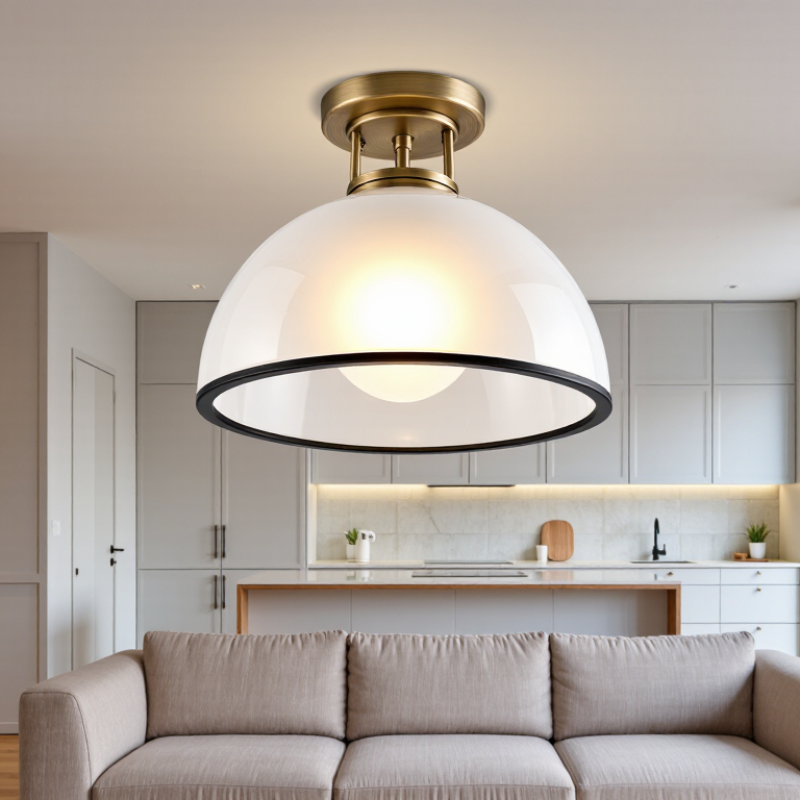
Semi-Flush Mounts offer a practical middle ground between recessed fixtures and hanging pendants. They sit close to the ceiling, while leaving enough space for decorative form and upward light. That balance suits bedrooms, hallways, kitchens, and rooms with modest ceiling height. A brushed brass base, frosted glass shade, or matte black rim can change the room’s character within minutes.

The U.S. Department of Energy reports that lighting uses about 15% of residential electricity in American homes. This makes fixture efficiency an important design decision, not merely a visual preference. Grand View Research also identifies energy-efficient lighting as a major force shaping the global lighting market. These reports do not measure Semi-Flush Mounts alone. Still, they show why LED-compatible fixtures deserve closer attention. Look for warm color temperatures, appropriate lumen output, and dimmer compatibility. Small technical details matter.

Randall Whitehead, a recognized architectural lighting designer and educator, has said, “Good lighting is not just about seeing; it’s about feeling.” That idea explains the appeal of Semi-Flush Mounts. They can soften a low ceiling, reduce visual clutter, and create a more welcoming glow. However, they are not a universal solution. A large room may need layered lighting, while a narrow corridor may need less output. I would also question one common assumption: brighter is not always better. Measure the space first. Then choose the fixture. A beautiful mount can still disappoint when its scale, beam spread, or color temperature feels wrong.
Why Choose Semi-Flush Mounts for Your Space?

What Is a Semi-Flush Mount Light?

Why Choose Semi-Flush Mounts for Your Space?

What Is a Semi-Flush Mount Light?

A semi-flush mount light attaches directly to the ceiling but leaves a short gap between the fixture and the surface. That small drop creates more visual depth than a flush mount. It also avoids the dramatic hanging length of a pendant.

In practical terms, the fixture usually includes a canopy, a short stem, and a shade or diffuser. The design suits bedrooms, corridors, kitchens, and rooms with limited ceiling height. The U.S. Department of Energy reports that LED lighting can use up to 75% less energy than incandescent lighting and last up to 25 times longer. Therefore, an efficient LED semi-flush fixture may reduce maintenance above a dining table or stair landing. Still, efficiency does not guarantee comfort. A bright lamp can create glare when its diffuser sits near eye level.

I have found that ceiling height matters more than many buyers expect. Measure the available clearance, then check the fixture’s total drop. A crowded ceiling can make a beautiful fitting feel visually heavy. That is easy to miss in product photos.

Tips: Choose a fully diffused shade for softer light. Look for a color rendering index of 80 or higher for everyday rooms. The U.S. Department of Energy recommends selecting light sources by lumens, not watts. Use dimming only when the fixture and control are compatible. Also, confirm the junction box can support the fixture’s weight before installation.

How Semi-Flush Mounts Differ from Other Ceiling Fixtures

Why Choose Semi-Flush Mounts for Your Space?

Semi-flush mounts sit close to the ceiling, but they leave a small gap around the fixture. This compact design separates them from flush mounts, which rest directly against the ceiling. In my experience, that narrow space adds visual depth without making a room feel crowded. It also allows more decorative detail around the shade or frame.

Pendant lights hang lower and concentrate attention beneath them. They work well above dining tables, kitchen islands, or reading corners. Semi-flush mounts spread light more evenly across general living areas.

Chandeliers create stronger focal points, but their size can overwhelm low ceilings. Recessed fixtures look cleaner, though they require ceiling access and careful placement. Track lighting offers flexibility, yet its exposed hardware may feel too technical in a calm bedroom.

The difference is practical, not only visual. A semi-flush mount can suit an eight-foot ceiling while preserving head clearance. Its diffuser may soften glare from a bright bulb, especially near eye level. Check the fixture’s weight and electrical box support before installation. A qualified electrician should handle uncertain wiring.

I once assumed every compact fixture would brighten a room equally. That was wrong. Dark shades can reduce useful light, even when the bulb is powerful. Measure the room, note existing shadows, and consider the ceiling color. The best choice may still need adjustment.

Key Benefits of Choosing Semi-Flush Mount Lighting

Semi-flush mount lighting offers a practical balance between ceiling clearance, visual comfort, and everyday performance. It sits close to the ceiling without appearing completely flat. This makes it suitable for bedrooms, hallways, dining areas, and rooms with lower ceilings. The fixture leaves more headroom beneath it. That small difference can make a narrow room feel less crowded.

Key Benefits of Choosing Semi-Flush Mount Lighting

Energy performance is another important benefit. The U.S. Department of Energy reports that LED lighting uses at least 75% less energy and lasts up to 25 times longer than incandescent lighting. A semi-flush fixture using an efficient LED source can therefore reduce relamping work and operating costs. Choose a diffuser that spreads light across walls and work surfaces. Frosted glass often softens harsh shadows, while a high color-rendering option can make wood, fabric, and skin tones appear more natural.

Installation also matters. In my experience, poor positioning can make an otherwise attractive fixture feel uncomfortable. Center the light carefully, especially above a table or circulation path. Check the fixture’s diameter against the room size. Oversized designs may dominate the ceiling, while undersized ones can create dull corners. The Illuminating Engineering Society emphasizes matching light levels to the activity, yet many homeowners still judge fixtures by appearance alone. That approach is understandable, but incomplete. Consider dimming compatibility, ceiling height, cleaning access, and the room’s existing lamps before choosing the final model.

How to Select the Right Size, Style, and Placement

Why Choose Semi-Flush Mounts for Your Space?

Semi-flush mounts suit rooms needing a lower profile than chandeliers. Their compact canopy leaves more headroom in hallways, bedrooms, and modest dining areas. Measure the room before choosing one. A useful starting point is adding the room’s length and width in feet, then converting that total to inches. For a 10-by-12-foot room, a 22-inch fixture may feel balanced. Ceiling height still matters. Keep the bottom of the fixture at least 7 feet above walking areas when possible.

Choose the style after identifying the room’s visual character. Frosted glass softens light beside pale walls, while metal shades create sharper shadows. For reading corners, check lumen output and color temperature instead of judging appearance alone. The U.S. Department of Energy reports that LED bulbs use at least 75% less energy and last up to 25 times longer than incandescent bulbs. That supports efficient choices, but brightness can still feel harsh. I have learned that “more light” is not always better.

Placement should support movement and daily tasks. Center the fixture within the usable seating area, not necessarily the entire room. In an entryway, align it with the walking path and door swing. The IES Lighting Handbook emphasizes room geometry, mounting height, and light distribution when evaluating comfort. A dimmer can improve flexibility, though compatibility must be checked carefully. My own measurements are sometimes imperfect. Furniture shifts, and a centered fixture can suddenly look slightly wrong. Account for that before installation.

Why Choose Semi-Flush Mounts for Your Space? - How to Select the Right Size, Style, and Placement

Selection Dimension Recommended Guideline How to Apply It Practical Example
Ceiling Height Semi-flush mounts are generally suitable for standard or moderately low ceilings because the fixture sits close to the ceiling. Measure from the finished floor to the ceiling, then check the fixture's total height before installation. For an 8-foot ceiling, choose a compact fixture with enough clearance for comfortable movement below it.
Fixture Diameter Use the room's length and width in feet, add them together, and use that total as an approximate fixture diameter in inches. Room length + room width = approximate fixture diameter. A 10-by-12-foot room suggests a fixture around 22 inches in diameter, subject to the furniture layout.
Fixture Height Prioritize head clearance and visual proportion. Lower-profile fixtures are usually better for passageways and rooms with limited ceiling height. Compare the fixture height with the available vertical space and avoid locations where people may brush against it. A shallow semi-flush mount can work well in a hallway, while a deeper design may suit an open sitting area.
Room Function Match the light output and distribution to the activity performed in the space. Use broader, more even illumination for general areas and add task lighting where detailed work is performed. Use a diffused ceiling fixture for a bedroom or entryway, supplemented by reading or work lights when needed.
Light Output Plan approximately 10 to 20 lumens per square foot for general ambient lighting, adjusting for room color and task needs. Multiply the room's floor area by the target lumens per square foot, then consider whether additional fixtures are required. A 120-square-foot room may need roughly 1,200 to 2,400 lumens for general illumination, depending on the desired brightness.
Color Temperature Warm white light around 2700K to 3000K creates a relaxed atmosphere; 3500K to 4000K appears cleaner and more neutral. Choose warmer light for bedrooms and living rooms, and neutral light for kitchens, offices, and utility areas. Select approximately 2700K to 3000K for a bedroom and approximately 3500K for a kitchen or home office.
Style and Materials Coordinate the fixture's shape, finish, and diffuser with the room's existing architectural details and hardware. Repeat one or two visual elements, such as a metal finish, geometric shape, or glass texture, without matching every item exactly. A brushed-metal fixture can complement cabinet hardware, while an opal diffuser can soften a minimalist interior.
Room Proportion Use a fixture that feels balanced with the room rather than selecting the largest model that fits physically. Leave visual breathing room around the fixture and consider nearby beams, ceiling fans, vents, and tall furniture. In a compact entryway, a smaller round fixture may look more proportional than a wide decorative model.
Placement in a Room Center the fixture within the usable area or over the primary zone, not automatically in the geometric center of the entire room. Account for seating groups, dining tables, kitchen islands, and circulation paths before marking the junction box. In a living room, position the fixture in relation to the seating arrangement so the light feels visually centered.
Hallways and Corridors Use low-profile fixtures with even light distribution and place multiple fixtures along longer passageways when one cannot illuminate the full route. Maintain a consistent visual rhythm while avoiding locations that interfere with doors or tall storage. A long corridor may benefit from two or more aligned fixtures rather than one oversized fixture at one end.
Dining and Kitchen Areas Center the fixture over the dining table or the main kitchen zone, while preserving task lighting on work surfaces. Coordinate the ceiling fixture with pendants, under-cabinet lighting, or recessed lights to reduce shadows. Place the semi-flush mount over the dining area when a low ceiling makes a hanging pendant impractical.
Glare Control Choose a diffuser or shade that conceals the brightest part of the light source from normal viewing angles. Look up at the fixture from common seating and standing positions before finalizing the design. Opal glass, fabric shades, or frosted diffusers can create softer light than a fully exposed bulb.
Dimming and Controls A dimmable fixture provides flexibility for different activities and times of day, provided the lamp, driver, and dimmer are compatible. Verify dimming compatibility in the product specifications and use controls rated for the fixture's electrical load. Set brighter levels for cleaning and lower levels for evening ambience in a living room or bedroom.
Electrical and Safety Check Installation should follow local electrical codes and the fixture manufacturer's instructions. Confirm ceiling-box support, wiring requirements, voltage compatibility, and whether a qualified electrician is needed. For a replacement installation, inspect the existing junction box and switch before selecting the final fixture.
Maintenance Choose a design that allows accessible bulb replacement or diffuser cleaning without difficult or unsafe access. Consider dust accumulation, glass removal, replacement parts, and the frequency of cleaning in the selected room. A simple removable diffuser may be more practical in a kitchen than a highly intricate shade with many narrow openings.

Best Spaces and Ceiling Heights for Semi-Flush Mounts

Why Choose Semi-Flush Mounts for Your Space?

Semi-flush mounts work well where a pendant feels too low or a flush fixture feels too flat. They suit ceilings from about eight to ten feet, leaving comfortable headroom below. Most models extend 8 to 18 inches from the ceiling. Measure the fixture’s full drop before installation. Small differences matter in narrow rooms.

These lights are especially practical in bedrooms, hallways, entryways, and modest dining areas. In an eight-foot hallway, keep the lowest point at least seven feet above the floor. For bedrooms, a softer diffuser can reduce glare near mirrors or polished furniture. In dining spaces, check that the fixture does not compete with cabinet doors or tall guests. I have found that visual balance matters as much as clearance. Still, I sometimes choose a slightly smaller fixture than expected. A large one can make a low ceiling feel crowded.

Tips: Match the mount’s scale to the room, not just its ceiling height. Use a tape measure and mark the fixture’s footprint with painter’s tape. Check the electrical box and fixture weight before installation. A qualified electrician should handle uncertain wiring or structural support. Warm bulbs often make bedrooms inviting, while brighter neutral light can help entryways feel safer. Be careful with the “perfect” rule; room proportions and personal comfort may require adjustment.

FAQS

What is a semi-flush mount ceiling fixture?

It sits close to the ceiling while leaving a small gap around the fixture. That gap adds visual depth.

How does it differ from a flush mount?

A flush mount rests directly against the ceiling. A semi-flush mount leaves space for more decorative detail.

How does it compare with pendant lighting?

Pendant lighting hangs lower and focuses light below it. Semi-flush mounts spread light more evenly across general living areas.

Are semi-flush mounts suitable for low ceilings?

Yes, they preserve head clearance better than many chandeliers. Keep the fixture bottom at least seven feet above walking areas when possible.

How should I choose the fixture size?

Add the room’s length and width in feet. Convert that number to inches. A 10-by-12-foot room may suit a 22-inch fixture.

Where should I place the fixture?

Center it over the usable seating area or walking path. The room’s exact center may not always look right.

Which shade material creates softer lighting?

Frosted glass softens light near pale walls. Metal shades create sharper shadows and may feel less gentle.

What should I check before installation?

Check the fixture weight, ceiling box support, wiring, and mounting height. A qualified electrician should handle uncertain wiring.

Do brighter bulbs always improve a room?

No. Dark shades can reduce useful light, even with powerful bulbs. Excess brightness may also feel harsh.

Can a dimmer improve flexibility?

Yes, a dimmer can adjust light for reading, relaxing, or entertaining. Confirm that the fixture and bulb are compatible.

Conclusion

Semi-Flush Mounts are ceiling light fixtures that sit slightly below the ceiling while keeping a compact, streamlined profile. They offer more visual presence than flush mounts without extending as far down as pendant lights or chandeliers, making them a practical choice for rooms that need both style and comfortable illumination. Their balanced design can add character while maintaining an open feeling, especially where ceiling space or walking clearance is limited.

When selecting Semi-Flush Mounts, consider the room’s size, ceiling height, furniture arrangement, and overall decorating style. Choose a fixture with proportions that complement the space, and position it where light is needed most, such as the center of a room, above a seating area, or near an entryway. These fixtures work especially well in bedrooms, hallways, kitchens, dining areas, and living rooms with standard or moderately low ceilings. With the right size, finish, and placement, semi-flush lighting can provide effective illumination and a polished, welcoming atmosphere.

Eleanor

Eleanor

Eleanor is a dedicated professional marketer with a strong understanding of the company’s products, customers, and market trends. With a background in strategic communication, content development, and customer-focused marketing, she transforms complex product information into clear, practical, and......