Handcrafted decorative lighting since 1980 · Worldwide project support

China Best Concrete Pendants Manufacturers & Factories

Global B2B Sourcing Guide: Advanced GFRC Formulations, Architectural Lighting Customization & Engineering Specifications

Verified Export SKUs & Custom Manufacturing Options

Featured Premium Pendant & Chandelier Collections

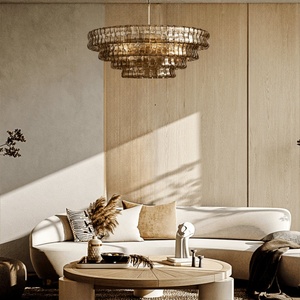
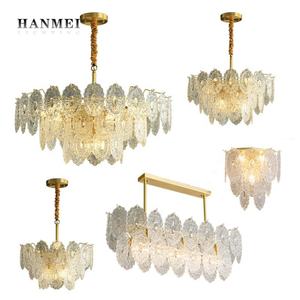
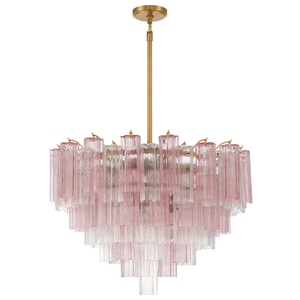
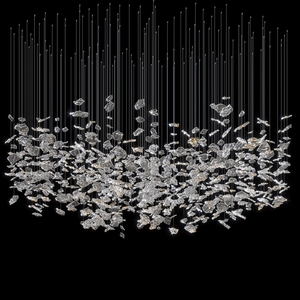
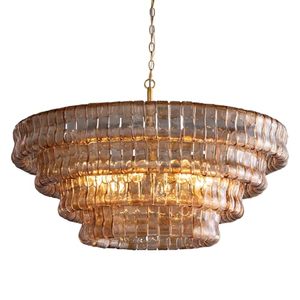
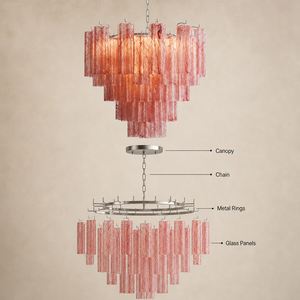
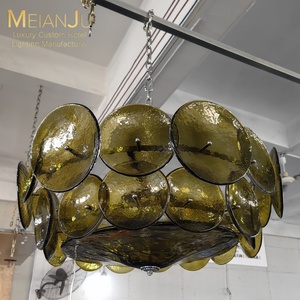
Explore our top-tier exported architectural suspended luminaires. Each fixture combines engineered cementitious composites, hand-blown Murano glass, and precision metalwork suitable for international commercial and high-end residential specifications.
JYLIGHTING French Luxury Murano Glass Chandelier Pendant Light
JYLIGHTING French Luxury Murano Glass Chandelier Pendant Light for Living Room
Premium Customizable Chandelier Forest Green Ripple Textured Glass Pendant Light
Modern Round Glass Chandelier Dining Room Brass Pendant Lamp
Modern Round Glass Chandelier Dinning Room Brass Pendant Lamp Home Decor
Nordic Brass Living Room Crystal Chandelier Luxury Modern Bedroom Glass Pendant Light
Nordic Brass Living Room Crystal Chandelier Luxury Modern Glass Pendant Light
Round Murano Glass Chandeliers 19.7 Tricolor Lampshade Hanging Lamp
Round Murano Glass Chandeliers 19.7" Tricolor Lampshade Tubes Ceiling Light
Modern Luxury Crystal Designer Pendant Lamp LED Ceiling Chandelier
Modern Luxury Crystal Designer Pendant Lamp LED Ceiling Ball Chandelier
Luxury Design Customized Staircase Hotel Lobby Hanging Light Clear Glass Chandelier
SIMIG Luxury French Vintage Chandelier Murano Glass Round Pendant Light
SIMIG Luxury French Vintage Chandelier - Murano Glass Round Pendant Light
45+
Years of Craftsmanship
2,000+
UL/cUL Certified SKUs
100%
In-House Quality Testing
70+
Global Export Markets

Executive Summary: The Evolution of Concrete Pendant Manufacturing in China

The global architectural lighting market is experiencing a profound paradigm shift toward brutalist, organic, and tactile materials. Concrete pendant lights—once considered niche industrial elements—have evolved into foundational design statements across high-end hospitality, commercial office complexes, and luxury residential projects. As procurement directors, interior architects, and lighting distributors seek reliable manufacturing partners, China’s lighting industrial hubs (specifically across Guangdong province, including Zhongshan and Foshan) have established dominant OEM/ODM capabilities through advanced Glass Fiber Reinforced Concrete (GFRC) technologies and precision automated engineering.

Sourcing concrete pendants requires balancing raw textural aesthetics with structural integrity, thermal dissipation, and international electrical compliance (UL 1598, CE, SAA, RoHS). Leading Chinese concrete pendant factories have transitioned from basic mold-casting to ultra-high-performance concrete (UHPC) mixes, integrating micro-silica formulations, nano-hydrophobic sealants, and integrated LED engine heatsinks. This technical whitepaper analyzes the manufacturing landscape, procurement criteria, engineering standards, and future design trends for commercial buyers seeking high-gain procurement strategies.

Advanced GFRC Formulations

Incorporating alkali-resistant glass fibers (AR-glass) and micro-silica matrix additives to boost tensile strength, prevent micro-fracturing, and cut pendant housing wall thickness down to 6mm while maintaining impact durability.

Nano-Sealed Hydrophobic Finish

Proprietary silane-siloxane penetrating sealants prevent oil absorption, moisture damage, and efflorescence, ensuring maintenance-free performance in humid coastal or kitchen dining environments.

Thermal Management & LED Integration

Custom-engineered aluminum cold-forged heatsinks embedded directly into the concrete cavity guarantee junction temperatures below 65°C for L70 lifespan exceeding 50,000 hours.

Material Science & Structural Comparison

Understanding the material differences between standard grey cement casting and advanced architectural concrete is vital for commercial specifiers. Standard concrete suffers from high porosity, weight penalties, and vulnerability to cracking under thermal stress. The table below illustrates the technical parameters maintained by tier-1 Chinese manufacturers operating under ISO9001 and North American safety standards.

Material Property / Parameter Standard Portland Cast Concrete Glass Fiber Reinforced Concrete (GFRC) Ultra-High-Performance Concrete (UHPC)
Compressive Strength (MPa) 25 - 35 MPa 60 - 80 MPa 120 - 150+ MPa
Flexural Strength / MOR (MPa) 3.5 - 5.0 MPa 15 - 25 MPa 30 - 45 MPa
Minimum Wall Thickness 18mm - 25mm 6mm - 10mm 3mm - 5mm
Weight Density Impact Heavy (High strain on junction boxes) 60% Weight Reduction vs. Standard 75% Weight Reduction (Ideal for multi-drops)
Surface Porosity & Pin-holes High (Requires heavy plaster fillers) Controlled micro-textures / Tactile velvet finish Ultra-smooth / Marble-like density option
Color Consistency (Delta-E) High variation (> 4.0) Strict Batch Control (< 1.5 Delta-E) Precision Pigmentation (< 1.0 Delta-E)

Require Custom Architectural Concrete Lighting Specifications?

Our engineering team provides CAD drawings, photometrics (IES files), sample finish swatches, and structural load calculations within 48 hours for contract hospitality programs.

Future Procurement & Architectural Trends (2025–2030)

As commercial interior design moves toward organic modernism, biophilic integration, and brutalist minimalism, concrete pendant manufacturing is undergoing rapid technological evolution. Global procurement officers should align their supply chains with factories developing the following forward-looking capabilities:

  • Low-Carbon Geopolymer Concrete Matrixes: Environmental, Social, and Governance (ESG) mandates are driving top Chinese manufacturers to replace traditional Portland cement with industrial fly ash, blast furnace slag, and pozzolana geopolymers. This reduces the carbon footprint of concrete pendant body production by up to 70% while enhancing fire resistance (Class A1 rating).
  • Hybrid Material Integration (Concrete + Alabaster + Glass): Modern architectural lighting specifiers demand multi-textured luminaires. Merging cold-cast textured concrete bases with translucent hand-carved alabaster, clear mouth-blown Murano glass tubes, or brushed winter brass rings creates high-value aesthetic tension highly sought after in hotel lobbies and luxury villas.
  • Smart IoT Driver Integration within Concrete Cavities: Modern concrete pendants now incorporate recessed drivers supporting DALI-2, Casambi Bluetooth Mesh, 0-10V, and Phase dimming directly within optimized top canopy assemblies or hollowed shade crowns, eliminating bulky remote driver housing requirements.
  • Acoustic Concrete Formulations: High-end commercial dining and open office specifiers are turning to porous micro-aerated acoustic concrete pendants designed to dampen ambient sound reverberation while providing targeted task illumination.

Enterprise Manufacturing Capabilities & OEM/ODM Excellence

Rooted in over 45 years of handcrafted decorative lighting heritage, our manufacturing partners synthesize traditional hand-finishing techniques with modern industrial automation. Spanning extensive production facilities in China, our integrated supply chain delivers end-to-end reliability for international project buyers, distributors, and interior design firms.

In-House Tooling & Mold Workshop

Equipped with 5-axis CNC routers and 3D industrial silicone casting rigs, our factories transform hand sketches or CAD files into production-ready concrete molds in under 10 business days.

Strict Batch Color Matching

Utilizing digital spectrophotometers, mineral oxide pigments (iron oxide, chromium oxide, titanium dioxide) are weighed with milligram precision to maintain consistent finish color matching across multi-phase construction deliveries.

Comprehensive Safety & Weight Testing

Every pendant hanging mechanism undergoes 4X tensile pull-testing, drop tests, and continuous 24-hour burn-in thermal profiling to guarantee safety compliance under international building codes.

Our commitment to quality extends from individual component selection—such as solid forged brass hardware, hand-blown ripple glass, and natural stone—to full export documentation, palletized crating, and direct drop-shipping to job sites globally.

Frequently Asked Questions for B2B Procurement Directors

Find practical answers regarding engineering specifications, minimum order quantities (MOQs), international certification, and customization options when sourcing concrete lighting fixtures from China.

Q: How do Chinese concrete pendant manufacturers ensure structural safety and prevent breakage during international transit?
Tier-1 factories utilize GFRC (Glass Fiber Reinforced Concrete) with high flexural modulus and package fixtures using molded high-density polyfoam (EPS/EPE) with 200 lbs drop-test rated corrugated outer cartons. Heavy-weight fixtures are packed in custom wooden crates for safe ocean or air freight.
Q: What international electrical certifications do your concrete pendant fixtures carry?
Our export lighting collections can be specified with UL/cUL (North America), CE / CB (Europe), SAA (Australia), and PSE (Japan) certifications. All electrical cables, lamp sockets (E26, E27, GU10, integrated LED modules), and LED drivers meet local market regulatory standards.
Q: Can concrete pendants be customized in terms of color, texture, and size for hotel or commercial projects?
Yes. OEM/ODM customization is a primary strength. Buyers can specify RAL color codes, natural cement finishes (raw grey, charcoal, terracotta, off-white, sand), surface textures (smooth, pitted, terrazzo micro-aggregate), stem/cable lengths, and overall scale based on architectural drawings.
Q: How is color consistency controlled between production batches?
Factories utilize automated digital dosing systems for raw cement powders and mineral oxide pigments. Retention batch samples are kept for every completed project order, ensuring that phase-2 or replacement orders match initial shipments within a Delta-E tolerance of less than 1.5.
Q: What is the standard lead time for OEM/ODM prototype development and mass production?
Custom mold creation and prototype approval typically require 10 to 14 business days. Upon sample sign-off, standard mass production lead times range from 25 to 35 days depending on total order volume and complexity of secondary metal finishings.
Q: Are concrete pendant lights suitable for damp or outdoor locations?
With appropriate IP44 or IP65 sealing, stainless steel hardware, and nano-hydrophobic sealer coatings, concrete pendants can be rated for damp indoor areas (bathrooms, spa zones) or covered outdoor spaces (patios, hotel walkways) without risking salt spray erosion or humidity degradation.

Start Your B2B Sourcing Inquiry Today

Connect directly with our engineering sales specialists to receive comprehensive product catalogs, wholesale price tiers, and project consultation.