
Handcrafted decorative lighting since 1980 · Worldwide project support
Explore our flagship series of artisan-crafted Murano glass sconces, ripple-textured pendant lights, and engineered architectural fixtures designed for international contract buyers.
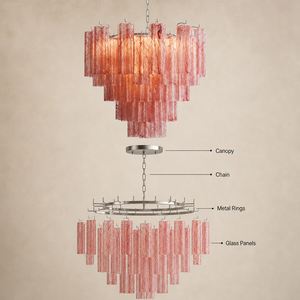
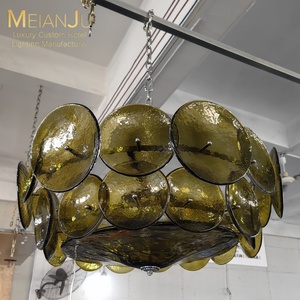
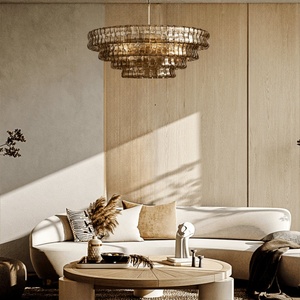
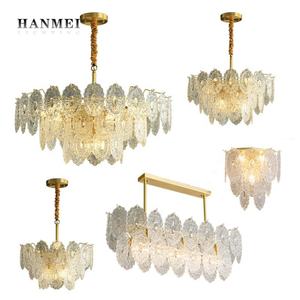
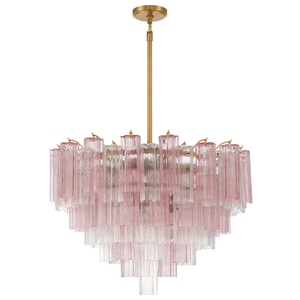
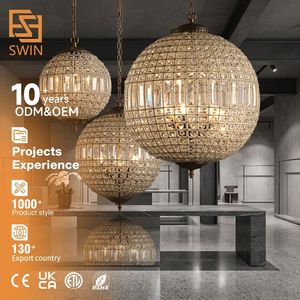
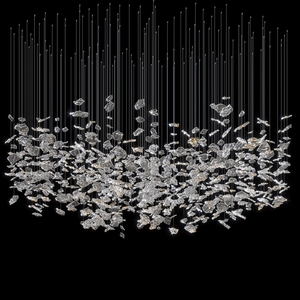
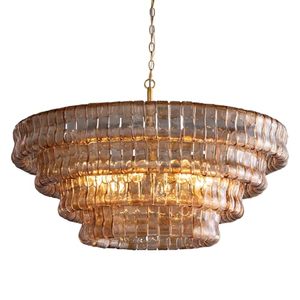
Combining heritage glassblowing artistry with modern optical engineering to solve complex architectural lighting challenges.
In-house mouth-blown glassblowing studio capable of hand-carved alabaster, rippled textures, soda-lime clear clarity, and custom color-pigmented batch runs.
Advanced CNC machining, forged iron, solid brass chassis, and hand-applied finishes such as Winter Brass, Oxidized Gold Leaf, and PVD Black Nickel.
Every luminaire undergoes dielectric voltage-withstand testing, thermal dissipation analysis, and IP44/IP65 wet-location certification for North America, Europe, and the Middle East.
As international architectural standards evolve toward holistic spatial experiences, decorative wall lighting has transitioned from simple accent illumination to critical elements of spatial sculpture and atmospheric branding. Commercial interior designers, hospitality developers, and luxury lighting distributors face an increasingly complex procurement landscape. Selecting a premier China glass sconces manufacturer and exporter requires evaluating not merely aesthetic craftsmanship, but long-term mechanical reliability, optical precision, electrical compliance, and supply chain scalability.
China's decorative lighting manufacturing ecosystem—centered in historical industrial hubs like Zhongshan and Shenzhen—has undergone a massive technological shift over the past decade. Traditional mass-market manufacturing has been replaced by high-precision OEM/ODM contract engineering. Leading Chinese exporters now combine centuries-old glassblowing techniques with automated CNC metal fabrication, 3D photometric testing, and international certification standards (UL, cUL, CE, RoHS, CB). This whitepaper provides commercial procurement specialists, interior architects, and lighting importers with an authoritative technical analysis of glass sconce design, manufacturing processes, quality assurance frameworks, and future global sourcing trends.
Key Insight for Procurement Directors: Modern architectural glass sconces are dual-engineered systems. They must deliver aesthetic value through optical glass manipulation (refraction, diffusion, ripple textures) while fulfilling strict thermal dynamics and safety parameters under continuous commercial operation.
The core value of an architectural glass sconce lies in the interplay between its light-transmitting medium and its structural metal chassis. Understanding the technical characteristics of raw glass formulations and metallurgic finishes enables buyers to specify products that retain visual integrity over decades of operation.
Different interior spaces demand distinct optical behaviors. Premium manufacturers employ four primary methods of architectural glass crafting:
The structural integrity and visual warmth of a wall sconce depend on its metallic frame. Premier Chinese exporters utilize heavy-gauge brass, forged iron, and architectural aluminum alloys to prevent warping and oxidation:
To assist lighting specifiers in selecting appropriate fixture configurations for commercial programs, the matrix below outlines core material specifications, optical properties, and environmental suitability:
| Glass Type / Material | Refractive Index | Thermal Shock Resistance | IP Rating Potential | Primary Commercial Application |
|---|---|---|---|---|
| Mouth-Blown Murano Tube | 1.52 - 1.54 | Up to 120°C ΔT | IP20 - IP44 | Hotel Lobbies, Grand Staircases, Executive Suites |
| Ripple Textured Cast Glass | 1.51 - 1.53 | Up to 150°C ΔT | IP44 - IP65 | Dining Rooms, Feature Walls, Restaurant Interiors |
| High-Borosilicate Glass | 1.47 - 1.48 | Up to 280°C ΔT | IP65 - IP67 | Exterior Facades, Coastal Resorts, Wet Locations |
| Natural Translucent Alabaster | 1.53 - 1.55 | Up to 80°C ΔT | IP20 - IP44 | Luxury Bath Vanity, Wellness Spas, Private Villas |
The B2B decorative lighting sector is experiencing significant shifts driven by energy regulations, architectural spatial trends, and smart building integration. International buyers must align their product development pipelines with these core emerging trends:
Modern interior architecture favors minimal structural intrusion. Sconces are evolving from bulky surface-mounted boxes into streamlined vertical light columns and organic petal-inspired silhouettes. Biophilic design principles—such as simulating sunlight passing through textured foliage or water ripples—have driven immense demand for green-tinted ripple glass, amber organic forms, and frosted leaf elements.
The industry has shifted away from traditional E26/E27 screw-in bulb sockets toward custom-engineered, low-profile LED boards. Contract buyers specify warm dimming technologies (Dim-to-Warm 3000K to 1800K) with CRI ≥ 95 to ensure natural human skin tone rendering in luxury vanity spaces and hospitality dining venues.
Commercial projects in North America, Europe, and Asia demand multi-voltage drivers (120-277V) equipped with universal dimming capabilities (0-10V, TRIAC, ELV, and DALI-2 protocols). Integrated drivers must be Title 24 / JA8 compliant in California and ERP-compliant in the European Union, featuring ultra-low flicker indices to prevent digital display distortion in hospitality settings.
Partnering with a China-based original equipment manufacturer requires strict verification of factory testing protocols. A high-tier exporter maintains a total quality management (TQM) workflow across four critical production stages:
Glass components undergo polariscope stress analysis to eliminate internal mechanical strain, preventing spontaneous cracking during transit or thermal cycling.
Luminaires are evaluated in integrating spheres and goniophotometers to generate accurate IES/LDT files, validating thermal heat dissipation under continuous 48-hour burn-in tests.
Custom-molded high-density Polyethylene (PE) foam surrounds fragile Murano glass tubes. ISTA 3A drop-testing ensures zero transit breakage during international ocean or air freight container transport.
Below are authoritative answers to common technical and commercial queries raised by international lighting distributors, OEM brand owners, and hospitality procurement agencies:
Initiating a contract manufacturing program with our facility follows a structured 5-step engineering workflow designed to minimize project risk, shorten time-to-market, and ensure absolute quality compliance:
Connect with our senior engineering team to request factory-direct B2B pricing, photometrics, and custom glass sample kits for your upcoming commercial projects.
Get a Quote